
Following a Visit to the Gaza Strip, PHR-Israel warns:
Humanitarian Disaster in the Gaza Strip
6 September 2006
For the first time in six years, members of Physicians for Human Rights-Israel were granted access to the Gaza Strip to witness up close the plight of the residents of the strip in the shadow of the unrestrained Israeli attacks.
A delegation of physicians and staff members from Physicians for Human Rights-Israel met with their Palestinian colleagues from the health and human rights fields in the Gaza Strip. The delegation visited hospitals in Gaza city and in Beit Lahiya, toured areas that were especially harmed in the Israeli army’s attacks, particularly in the Shaja’iya neighborhood and in the power station compound which was bombed by the Israeli air force on 29 June 2006. The delegation visited two hospitals: Kamal ‘Adwan in Beit Lahiya and Shifa, the main hospital of the Gaza Strip.
Kamal ‘Adwan Hospital as an example: This is a small and poor hospital which supplies health services to more than 40,000 residents. Since 26 June 2006, the hospital has received more than 260 cases, about 60% of these were defined as critical, mostly due to the Israeli bombing of the northern section of the strip. Because of the large number of injured and the nature of their wounds, the hospital staff is many times at a loss to treat the injuries. Due to the bombing of the power station, the hospital is subjected to power outages that last for numerous hours each day; the two generators the hospital uses cannot handle the workload and they are mostly used in the two most important wards: emergency room and the operating rooms.
The limited delegation consisted of members of the PHR-Israel board, Prof. Zvi Bentwich and Dr. Hassan Matani, together with staff members from the Occupied Territories Project. Prof. Bentwich even examined a few patients whose cases the organization handles, such as an AIDS patient who requires treatment in Israel, however he is denied entry, even after an appeal to the Israeli High Court on his behalf.
The staff and board members met with the organization’s Palestinian partners such as the Gaza Community Mental Health Programme and the Al Mezan Center for Human Rights, in addition to the medical centers. It is to be noted that the organization has been prevented from meeting with some of its colleagues for the past six years, mostly because members of the organization were not allowed to enter Gaza.
The delegation entered Gaza on Friday morning and left the strip Saturday evening.
Amongst the delegation’s findings:
•ᾉThe medical staff met patients that do not have treatment in Gaza and are sentenced to a slow death as they cannot go for treatment in Israel or in Egypt.
•ᾉThe Palestinian Minister of Health, Dr. Basem Na`im, said to the delegation: the lack of experts – for example, in the radiology field – and the closing of the border crossings are the most difficult problems. Indeed, Rafah Crossing has been closed almost completely, and there are patients who are afraid to go to Egypt as it is possible to be stuck at the checkpoint on the Egyptian side for months.
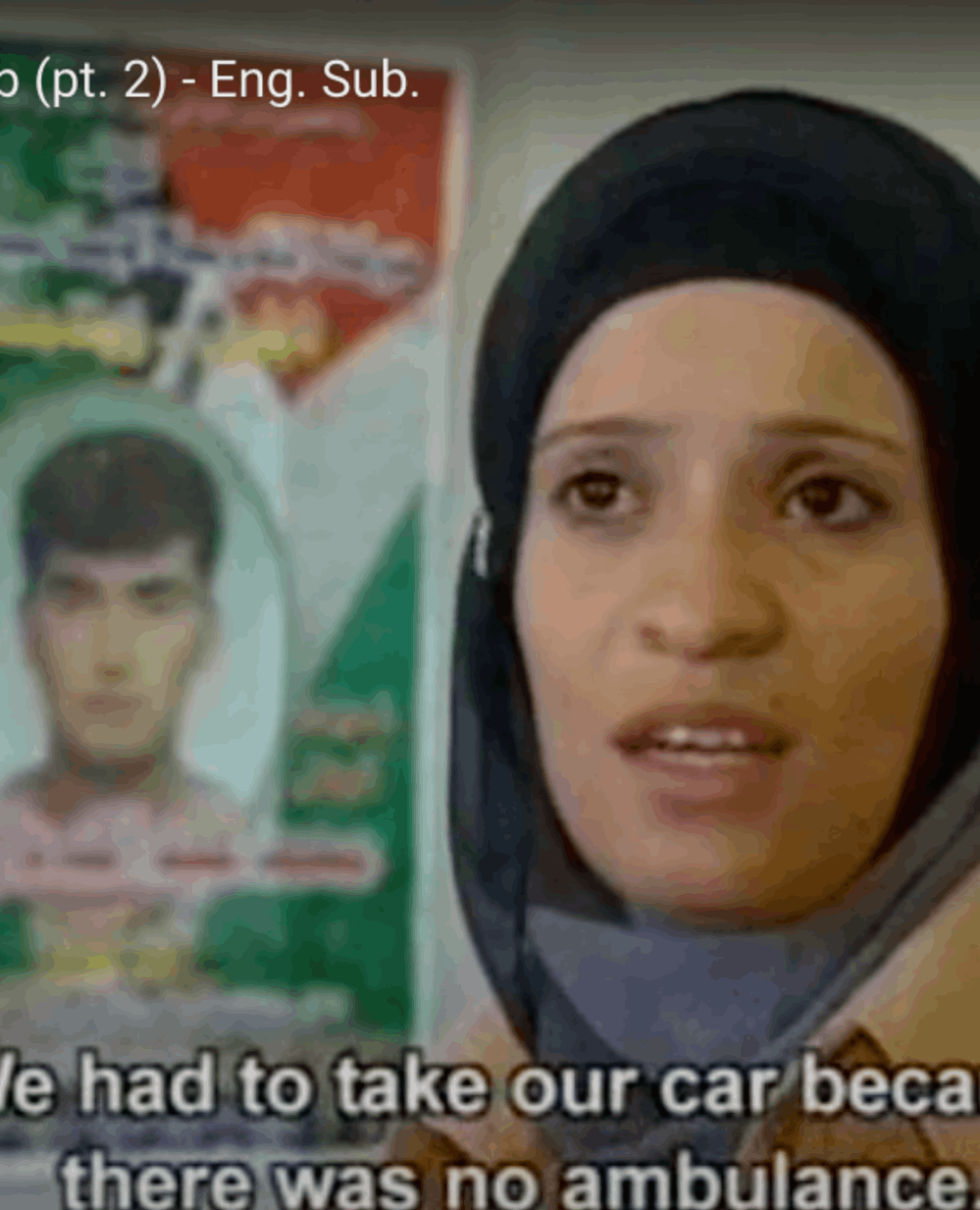
•ᾉA routine of collective punishment and killing of civilians. The medical staff at Shifa told the delegation that in order for an ambulance to approach a scene of an attack where there are injured people, permission is required from the Israeli army. This can take an extended period of time. There were cases of people who were not critically injured but who died from loss of blood at the scene of the attack. Moreover, people who tried to help others were harmed themselves during the evacuation process. All this leads to an anger and despair amongst the people.
•ᾉPHR-Israel was given tissue of those harmed in Israeli military action as well as half a flachette shell and shrapnel removed from the victims.
•ᾉThere is hunger in Gaza- the delegation met with women and children in states of malnutrition.
•ᾉStreets and homes were completely destroyed for no apparent reason.
•ᾉIn the hospital morgues the delegation saw charcoaled and shredded bodies.
In light of the visit, Physicians for Human Rights-Israel wishes to express its position that the de-humanization of the Palestinians by Israel allows for the state to wage against the residents of the Gaza Strip an indiscriminate attack. Only a fundamental change in Israel’s attitude will bring about a change for the better for the residents of Gaza and will offer hope to the residents of Israel and the occupied territories.
—
For more information:
Maskit Bendel, Director, Occupied Territories Project, +972-54-7700477 or
Shabtai Gold, Public Outreach, +972-54-4860630
———————————————————————–
Everything about this list:
http://lists.riseup.net/www/info/epalestine
To unsubscribe, send mail to:
epalestine-unsubscribe@lists.riseup.net
To subscribe, send mail to:
epalestine-subscribe@lists.riseup.net